



Watch Movements Explained
Understand watch movements to elevate your luxury timepiece knowledge.
Quick Facts
Introduction
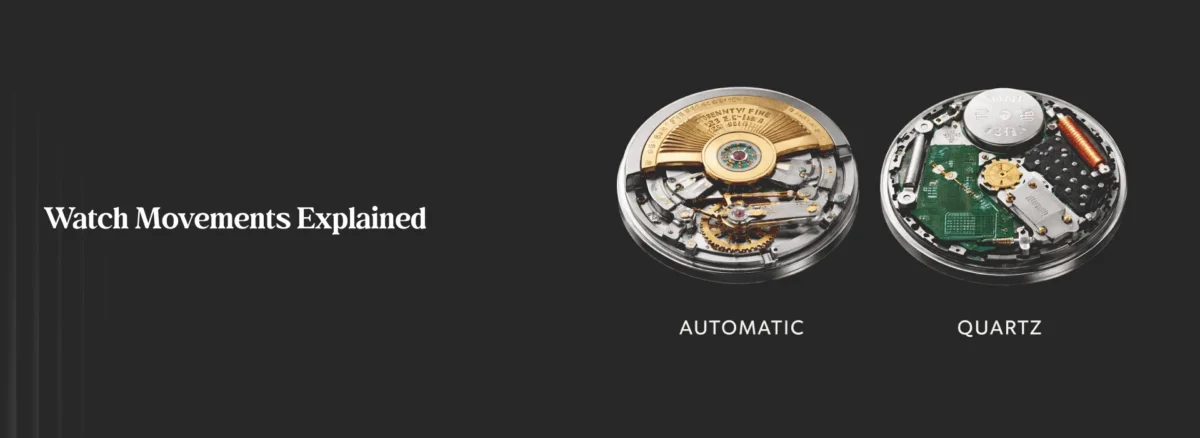
If you’re a hip-hop jewelry aficionado or simply someone who appreciates the art of luxury iced-out timepieces, understanding watch movements is essential. This guide will help you navigate the different types of watch movements—mechanical, automatic, and quartz—by explaining how each one works, their pros and cons, the craftsmanship involved, and why movement matters when selecting a luxury watch.
Key Takeaways
- Mechanical movements require manual winding.
- Automatic movements wind themselves through motion.
- Quartz movements are battery-operated and highly accurate.
- Choosing the right movement affects your watch’s performance and longevity.
Understanding Watch Movements
Watch movements, also known as calibers, are the heart of a watch, determining how it keeps time and functions. Let’s delve into the three main types of movements:
Mechanical Movements
Mechanical watches operate without a battery, relying instead on a complex series of springs and gears. They require manual winding, typically through the crown, to function.
How They Work
The energy from the winding of the mainspring is released gradually, powering the watch’s hands. The intricate movement of gears regulates the timekeeping. This craftsmanship can be seen through the transparent case backs of many luxury watches, showcasing the beauty of their inner workings.
Pros and Cons
- Pros:
- Timeless craftsmanship and aesthetic appeal.
- Can last a lifetime with proper care.
- Often considered a collector’s item.
- Cons:
- Requires regular winding.
- Less accurate than quartz movements.
- More susceptible to damage from shocks.
Automatic (Self-Winding) Movements
Automatic movements are a type of mechanical watch that winds itself as you wear it. The movement of your wrist powers a rotor, which winds the mainspring.
How They Work
As you move your wrist, the rotor spins, winding the watch. If worn regularly, these watches can maintain power without manual winding, but they do require occasional winding if left unworn.
Pros and Cons
- Pros:
- Convenience of self-winding.
- Combines the craftsmanship of mechanical watches with ease of use.
- Sustainable choice, as they don’t rely on batteries.
- Cons:
- Can stop running if not worn for several days.
- Typically more expensive than manual watches.
- Delicate mechanisms may require servicing.
Quartz Movements
Quartz watches utilize a battery to power a quartz crystal, which oscillates at a precise frequency, ensuring accurate timekeeping.
How They Work
The battery sends an electric current through the quartz crystal, causing it to vibrate. These vibrations are counted by a circuit that drives the watch hands or digital display.
Pros and Cons
- Pros:
- Highly accurate and reliable.
- Requires minimal maintenance.
- Generally more affordable than mechanical options.
- Cons:
- Less traditional craftsmanship appeal.
- Battery replacement needed every few years.
- Not ideal for collectors seeking luxury or artistry.
Comparison of Watch Movements
| Movement Type | Power Source | Accuracy | Maintenance |
|---|---|---|---|
| Mechanical | Manual Winding | ±30-50 seconds/day | Regular winding, servicing required |
| Automatic | Self-Winding | ±15-30 seconds/day | Occasional winding, servicing required |
| Quartz | Battery | ±15 seconds/month | Battery replacement every few years |
Craftsmanship and Movement Matters
When choosing a luxury iced-out timepiece, the movement is a critical aspect. The craftsmanship involved in mechanical and automatic movements displays an artistry that many collectors and enthusiasts value highly. Brands like Rolex and Omega are celebrated for their meticulous attention to detail, ensuring that each movement is not just functional but also a work of art.
Moreover, the movement affects the watch’s longevity and performance. A well-made mechanical watch can last for generations, while a quartz watch offers convenience and accuracy that’s hard to beat. Thus, understanding the different movements can guide you in making an informed choice that aligns with your lifestyle and aesthetic preferences.
Common Mistakes to Avoid
- Choosing a watch based solely on brand name rather than movement quality.
- Neglecting to consider how often you’ll wear the watch when opting for automatic vs. quartz.
- Overlooking maintenance needs, especially for mechanical watches.
- Assuming all quartz watches are the same in terms of quality.
Conclusion
Choosing the right watch movement is vital when investing in a luxury iced-out timepiece. Each type of movement has its unique characteristics, benefits, and drawbacks that cater to different lifestyles and preferences. By understanding the mechanics behind each movement—from the artistry of mechanical watches to the precision of quartz—you can make a more informed decision that suits your style and ensures your watch becomes a cherished piece of your collection.
Frequently Asked Questions
Quartz movements are often preferred for their accuracy and low maintenance.
It’s recommended to service every 3-5 years.
No, many luxury brands offer quartz watches as well.
Yes, but it’s best done by a professional to avoid damage.
They require intricate craftsmanship and engineering, making them more costly to produce.




Worldwide Delivery
Enjoy complimentary overnight shipping with fast delivery, ensuring convenience and prompt luxury service.
14 Days Returns
Experience peace of mind with our satisfaction guarantee, ensuring premium quality and unmatched customer service.
Lifetime Warranty
Shop with confidence, backed by verified trust ratings, secure transactions, and exceptional quality assurance every time.
24/7 Customer Support
We're here for you anytime, anywhere. Our dedicated customer support team is ready to assist you around the clock.